
If you’ve ever dealt with flat feet, foot pain, or long hours of sitting or standing, chances are you’ve come across the topic of varicose veins while searching for answers. I know I did.
Before going any further, I want to be clear and honest:
– I do not have diagnosed varicose veins.
However, while trying to understand my own symptoms—especially burning sensations in my feet—I repeatedly came across discussions linking flat feet, circulation issues, and varicose veins. That curiosity (and confusion) is what led me to research this topic more deeply.
My goal here is not to claim experiences I haven’t had, but to share what I learned so you can better understand whether this connection might apply to you.
What Are Varicose Veins?
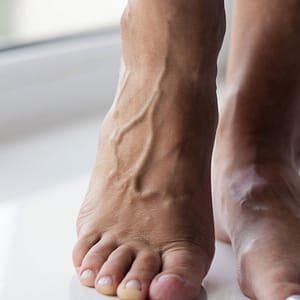
Varicose veins are enlarged, twisted veins that usually appear in the legs. They develop when vein valves weaken and blood struggles to flow back up toward the heart, causing it to pool.
Some people experience:
• Visible blue or purple veins
• Raised or rope-like veins
• Leg heaviness or aching
• Swelling around the ankles
• Burning or throbbing sensations
Others may have visible veins with little or no discomfort.
Why Flat Feet Come Up in Varicose Vein Discussions
Flat feet do not directly cause varicose veins. However, they can contribute to conditions that increase strain on the lower legs.
Here’s how the connection is usually explained:
1. Altered walking mechanics
Flat feet often involve overpronation (the foot rolling inward). This affects how the ankles, calves, and knees work together during movement.
2. Less efficient calf muscle pump
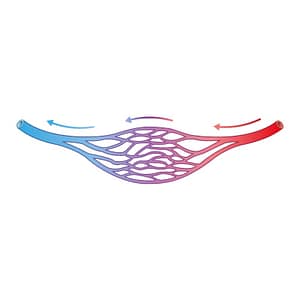
Your calf muscles act like a natural pump that helps push blood upward. When foot alignment is off or when movement is limited, this pumping action may not work as efficiently.
3. Long periods of inactivity
Whether standing still or sitting for extended hours, limited movement reduces calf activation. That can allow temporary pooling of blood in the lower legs, which may make veins appear more prominent.
This is why flat feet, prolonged inactivity, and varicose veins are often mentioned together.
A Clarification From My Own Experience
When I experienced burning sensations in my feet, I initially wondered if circulation might be involved.
In my case, however, the burning was linked to plantar fasciitis, not varicose veins. Over time, that condition improved significantly, and I now only experience symptoms rarely.
I share this because foot pain symptoms can overlap, and it’s easy to assume circulation problems when the cause may actually be muscular, fascial, or bio-mechanical.
Understanding the difference matters.
When Might It Be More Vein-Related?
You may want to explore vein health more closely if you notice:
• Persistent, raised, rope-like veins
• Veins that remain visible most of the time
• Swelling that improves with leg elevation
• Calf heaviness that worsens by the end of the day
• Skin discoloration around the ankles
If symptoms are ongoing or worsening, consulting a healthcare professional is always the safest step.
Supporting Your Legs If You Have Flat Feet
Even without varicose veins, supporting foot mechanics and circulation can reduce strain:
• Wearing supportive footwear or insoles
• Taking regular movement breaks during long sitting periods
• Gentle calf strengthening exercises
• Elevating your legs at the end of the day
These habits support both foot health and circulation overall.
Final Thoughts
I’m sharing this topic not because I have experienced varicose veins myself, but because it’s a subject that frequently appears when researching flat feet and lower leg discomfort.
If you’re navigating similar questions, understanding how bio-mechanics and circulation interact can help you ask better questions and avoid unnecessary worry.
As always, I’m sharing from personal learning and research—not as a medical professional, but as someone on a foot health journey who values clarity and honesty