
If you live with painful flat feet, you may know the feeling: aching arches, sore heels, or feet that feel heavy after a long day.
Supportive footwear, suitable exercise, and rest can all be part of managing discomfort. But sometimes, I simply want something that helps my feet feel calmer in the moment. That is when I may turn to cold or heat.
Neither one changes the shape of flat feet or treats every cause of foot pain. For me, they are forms of temporary comfort, and which one I choose depends on how my feet feel that day.
When I Use Cold Therapy
Cold is what I usually reach for when my feet feel sore, irritated, swollen, or almost burning after being on them for a long time.
The cooling sensation can temporarily numb soreness and make my feet feel calmer. I think of it as symptom relief rather than a treatment for the underlying cause.

A few ways to use cold include:
- Wrap a cold pack in a thin, damp towel and place it against the sore area.
- Roll a frozen water bottle gently under the foot while wearing a sock or using a thin fabric barrier.
- Place your feet in comfortably cool—not ice-cold—water for a few minutes.
Because the feet contain small and bony areas, I keep cold sessions fairly short, usually around 10 to 15 minutes, and check my skin during use. I stop sooner if the area becomes excessively numb, painful, blotchy, or unusually pale or blue.
I do not apply ice directly to bare skin.
When I Use Heat Therapy
Heat feels better to me when my feet are stiff or tight, particularly after sitting for a long time or when I want to relax before gentle movement.
A warm soak does not fix flat feet, but it can feel comforting and may make stiffness easier to tolerate.
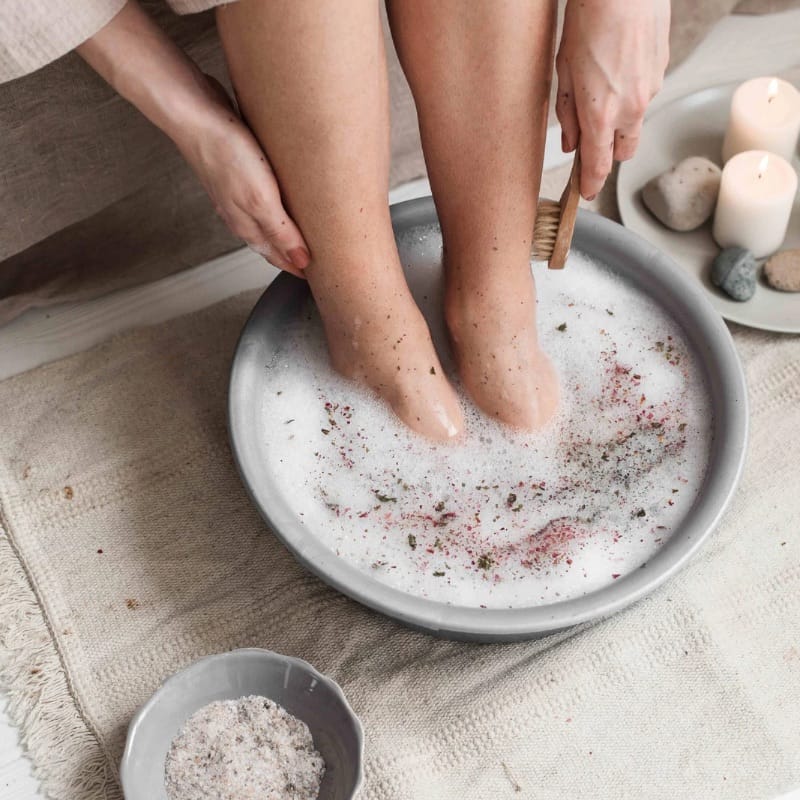
Options include:
- Soaking the feet in comfortably warm—not hot—water.
- Using a warm towel or compress.
- Using a heating pad on a low setting with a fabric layer between the pad and the skin.
- Applying gentle warmth before stretching, if that feels comfortable.
I normally keep heat sessions brief, around 10 to 15 minutes. The temperature should feel pleasantly warm, not intense.
Warmth is my go-to on slow mornings. It feels like telling my feet, “Okay, let’s start the day.”
Cold or Heat: How I Choose
My simple rule is based on how my feet feel:
- If they feel hot, irritated, swollen, or sore after activity, I usually prefer cold.
- If they feel stiff or tight, I usually prefer gentle warmth.
This is not a medical rule that will suit everyone. Some people prefer one and dislike the other, and the source of the pain matters.
If I use both on the same day, I leave time between them rather than moving immediately from one extreme temperature to the other. I also avoid treating alternating heat and cold as something I must do every night. It is simply an occasional comfort measure when my feet need it.
A Gentle Foot Massage
When I have a few minutes, I sometimes give my feet a small massage.
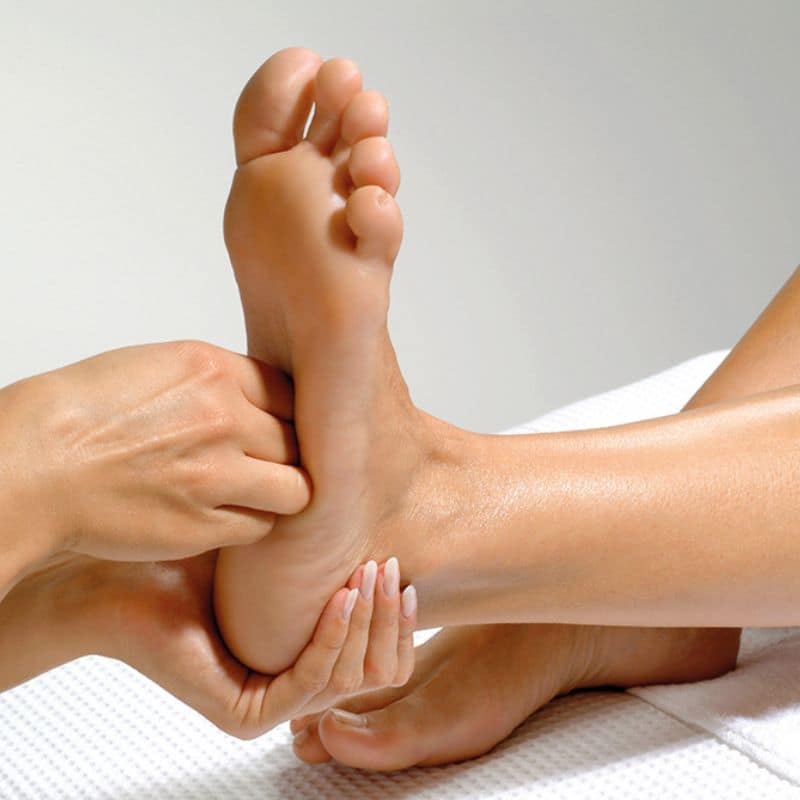
use my fingers or knuckles with light pressure and slowly move along the arch. Sometimes I place my fingers between my toes and gently move the foot so that the motion reaches the ankle.
A little lotion or oil can reduce friction, but I avoid applying it to broken, irritated, or infected skin. The massage should feel soothing, not painful. Pressing harder does not necessarily make it more effective.
I often do this after praying or while watching television. It is a small routine, but it can make my feet feel more comfortable.
What About Epsom Salt?
Every now and then, I add a small amount of Epsom salt to a warm foot soak.
I treat this as part of a relaxing personal routine rather than a proven treatment for flat feet. The warmth of the water may be what feels soothing, and Epsom salt is not necessary to benefit from the soak.
I no longer recommend adding undiluted peppermint or other essential oils directly to the water. Essential oils do not mix evenly with water and may irritate sensitive skin.
My Experience With Flat Feet, Bunions, and Tight Hamstrings
I was also advised to use temperature therapy for discomfort in my tight hamstrings. That does not mean the same approach is appropriate for every pain or injury, but it helped me pay closer attention to whether an area felt irritated or simply stiff.
I also sometimes notice that soothing my feet makes the soreness around my bunions feel less noticeable.
My flat feet, bunions, and tight hamstrings have become what I jokingly call my lifetime companions. I experience them together, but that does not mean one automatically caused all the others. Each can have several contributing factors.
For more about those experiences, you can read Understanding Bunions: Causes, Symptoms, and Relief and Tight Hamstrings and Flat Feet: The Hidden Connection.
Important Safety Notes
Cold and heat can damage the skin if they are too intense or used for too long.
- Never place ice or a frozen pack directly against bare skin.
- Keep heating pads and hot-water bottles separated from the skin by a fabric layer.
- Do not use boiling water or fall asleep with a heating pad in place.
- Check your skin regularly and stop if you experience burning, excessive numbness, unusual colour changes, or increased pain.
- Avoid applying cold or heat over an open wound, infection, or damaged skin.
- If you have diabetes, poor circulation, neuropathy, or reduced ability to feel temperature, ask a healthcare professional before using either one.
- Seek medical advice if pain is persistent, worsening, follows an injury, or is accompanied by marked swelling, redness, weakness, numbness, or difficulty walking.
Heat and cold should not be used to hide symptoms that need proper assessment.
Small Comforts Still Matter
Cold and heat may sound too simple to make a difference, but simple does not mean useless.
They do not rebuild an arch or solve the cause of every painful foot. What they can sometimes do is provide a little temporary comfort after a demanding day or make gentle movement feel easier.
For me, managing flat feet has never come down to one perfect solution. It is a combination of noticing patterns, choosing supportive footwear, staying active within my limits, and using small routines when my feet need extra care.
Sometimes that means a cool bottle beneath my feet after work. Sometimes it means a warm soak and a quiet moment before the day begins. The important thing is knowing what my feet are asking for—and recognising when home comfort is not enough.
Do your feet respond better to cold or warmth? Or does it depend on the kind of discomfort you are experiencing?
If you would like to learn more about flat feet and why they may become painful, start with Flat Feet Explained: A Beginner’s Guide to Fallen Arches.
Sources and Further Reading
- Gloucestershire Hospitals NHS Foundation Trust: Ice and heat treatment — guidance on safe application times, protecting the skin, checking for skin changes, and when cold or heat may be unsuitable.
- Johns Hopkins Medicine: Ice Packs vs. Warm Compresses for Pain — an overview of how cold and warmth may provide temporary relief and how to use cold safely.
This article is based on personal experience and research and is intended for informational purposes only. It is not a substitute for individual medical advice, diagnosis, or treatment